The Ayurveda Clock Aligning Your Day with Natures Rhythm The Ayurveda Clock Aligning Your Day with Natures Rhythm The Ayurveda Clock Aligning Your Day with Natures Rhythm
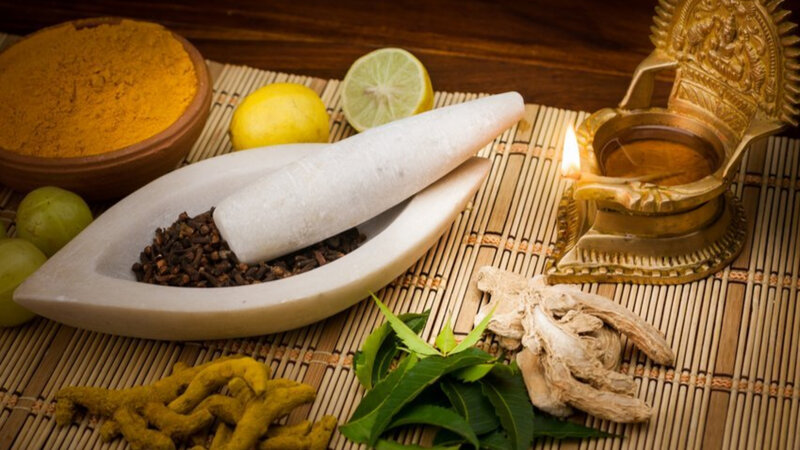
Ayurveda teaches that optimal health is achieved when our daily routine is synchronized with the natural rhythms of the day. The Ayurveda clock divides the day into six segments ruled by Vata, Pitta, and Kapha
In Ayurveda, the morning hours from six to ten are ruled by Kapha dosha, a time marked by slow, heavy, and grounded qualities. If not properly balanced, this natural sluggishness can lead to feelings of lethargy and mental fog. To align with this phase of the day, one should ideally wake up just before sunrise, around four-thirty to five-thirty in the Vata time, which supports lightness and clarity. Waking up in the Kapha phase, after six, tends to weigh down both body and mind. Once awake, one should focus on cleansing and energizing the body. Drinking warm water helps stimulate digestion and encourages elimination, which is essential for flushing out overnight toxins. Traditional Ayurveda practices such as tongue scraping, oil pulling, and a warm shower are recommended to purify and refresh. Physical activity during this time is also beneficial. Gentle yoga, a brisk walk, or any form of movement supports circulation and energizes the Kapha-heavy body. A light, warm breakfast helps kindle agni, or digestive fire, preparing the body for the tasks of the day ahead. This phase is best used to establish a calm, steady foundation and build a healthy momentum for productivity.
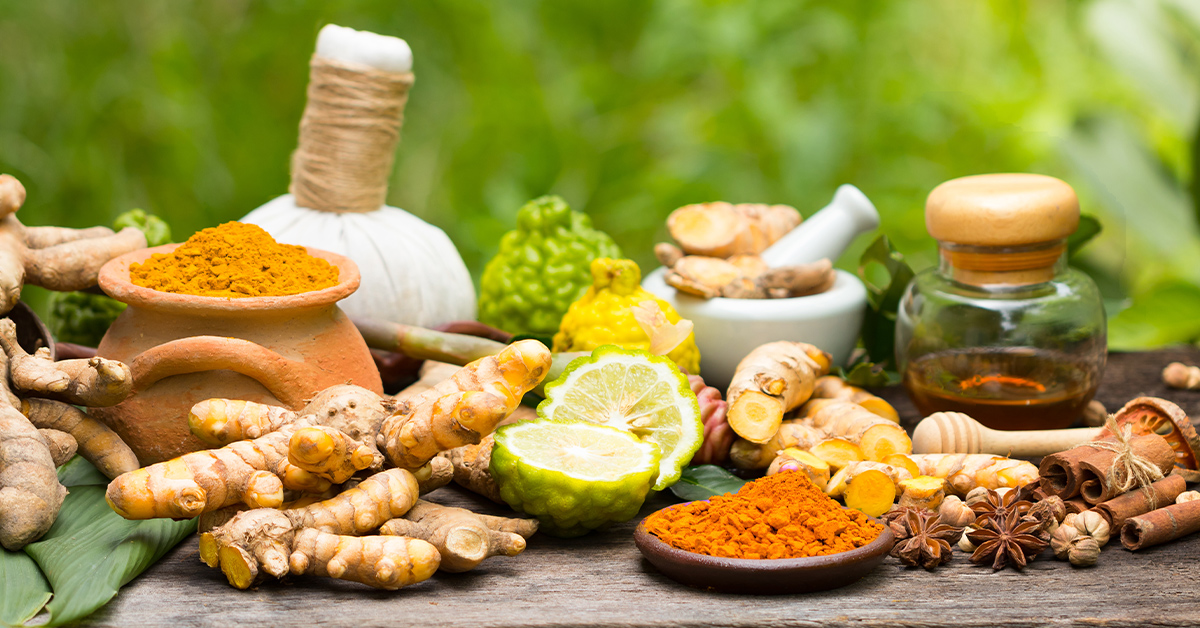
From ten in the morning to two in the afternoon, the sun is at its highest point, and so is the body’s internal fire, or agni. This period is governed by Pitta dosha, which embodies transformation, digestion, focus, and intensity. As external heat increases, the body's metabolic processes are naturally more efficient, making it the ideal time for the largest and most substantial meal of the day. Lunch should be warm, freshly prepared, and tailored to your doshic balance, avoiding processed or overly cold foods that can dampen digestive power. Since mental clarity and concentration are also heightened, this time is ideal for engaging in tasks that require decision-making, creativity, and problem-solving. Ayurveda recommends maintaining a balance between productivity and mindfulness. While Pitta energy supports ambition and drive, it can also trigger irritability and impatience if not grounded. Taking short pauses, staying hydrated, and stepping outside briefly to reconnect with nature can help keep the Pitta fire steady and not overwhelming. This is a time of outward engagement and maximum physical and mental performance, and aligning with it enhances both efficiency and wellbeing.

As evening approaches and daylight fades, the body begins its natural descent into rest and recovery. The hours from six to ten in the evening return to the Kapha phase, but unlike the morning's call to action, this Kapha time is about winding down and nourishing. The body craves routine, calm, and warmth. It is best to consume a light, easy-to-digest dinner before seven o'clock to allow the body time to process food before sleep. Engaging in calming activities such as reading, light stretching, or gentle conversation prepares both mind and body for rest. Artificial lights, loud noises, and digital screens should be minimized to prevent overstimulation and allow melatonin production to rise naturally. This is the time to slow down, honor stillness, and practice gratitude for the day. Ideally, one should aim to sleep by ten o’clock. This ensures rest during the upcoming Pitta hours of the night, when the body works to metabolize and detoxify. Staying awake beyond ten risks catching a "second wind," leading to restless sleep and fatigue the next day. When evening is honored as a sacred transition instead of a continuation of busyness, it supports deeper sleep, clearer mornings, and a more harmonious rhythm with nature.

Holistic healing through authentic Ayurveda, rooted in tradition and guided by nature.
©2026 All Rights Reserved by 'Vidyadhara Arogya' | Crafted by OF2ON